
Your shower has a curious little secret.
While you’re standing under warm water, your skin feels soft, your face feels refreshed, and everything seems to be going according to plan. Then you step out, wrap yourself in a towel, and suddenly your skin starts acting as though the last ten minutes never happened.
Your legs look a little chalky. Your cheeks feel tight. Your elbows are staging a protest. And somehow, the hair that looked perfectly manageable under the water is already preparing to ruin your morning.
How can something as simple as water leave you feeling both refreshed and unexpectedly dry?
It turns out that stepping out of the shower is a bit like changing the conditions of an experiment. Water begins evaporating from your skin, your skin barrier responds to the cleansing process, and the effects of your shower habits become more noticeable.
And the most interesting part? The clues aren’t always where you’d expect them to be.
The Mystery Begins the Moment You Turn Off the Tap
Let’s start with a strange contradiction: water can make your skin feel soft temporarily, yet your skin can feel dry shortly afterwards.
The explanation begins with your skin’s protective barrier. This outer layer helps retain moisture and protect against irritants. When you spend a long time in hot water or use a cleanser that’s too harsh for your skin, that barrier can become less effective at doing its job.
Once you step out, water evaporates from the skin’s surface. If your skin is already prone to dryness, you may notice tightness, roughness, or itching.
So, no, a longer shower isn’t necessarily a better shower.
Your choice of Shower Gel matters here, too. A product can smell like a tropical holiday and still be unsuitable for your skin. If you regularly feel uncomfortable after washing, a gentler cleanser may be a better choice than another product promising an extraordinary shower experience.
Here’s a useful detail to remember: your skin doesn’t have to feel squeaky clean to be properly cleansed.
Your Towel Might Be the Most Overlooked Part of Your Skincare Routine
Nobody buys a towel expecting it to influence their skincare. It’s a towel. Its job is to dry you. End of story.
Except the way you use it matters.
Most of us rub ourselves dry with impressive enthusiasm, as though we’re trying to remove every last molecule of water. But vigorous rubbing can aggravate skin that’s already dry or sensitive.
Try patting your skin gently instead. Leave it slightly damp before applying moisturiser, rather than rubbing until it feels completely dry.
Why does that small detail matter? Because the next few minutes offer an opportunity to help your skin retain moisture.
And that brings us to a question most people ask too late: why wait until your skin feels uncomfortable before moisturising it?
The Race Between Water and Moisturiser
Imagine getting dressed after a shower, noticing that your legs feel tight, and then hunting through a drawer for your lotion.
Now imagine applying it before that uncomfortable feeling starts.
Applying body lotion for dry skin while your skin is still slightly damp can help reduce moisture loss. Ingredients such as glycerin attract water, while occlusive ingredients such as petrolatum help slow evaporation.
The trick isn’t to cover yourself in the thickest cream available. It’s to find a formula that suits your skin and that you’ll actually enjoy using.
If your shins, knees, or elbows regularly feel rough, give those areas extra attention. If your skin is very dry, a richer cream may be more suitable than a lightweight lotion.
Think of moisturising as part of finishing your shower, not an emergency measure reserved for particularly unhappy skin.
Your skin may not send you a thank-you note, but it might stop making its complaints quite so loudly.
Why Does Your Face Seem to Have Different Plans?
Here’s another bathroom mystery.
Your body feels comfortable, but your cheeks feel tight. Your forehead looks shiny, yet the skin around your mouth feels dry. Same shower, same person, completely different reactions.
Facial skin can have different needs across different areas, and your cleanser, water temperature, skin type, and existing routine can all play a role.
The temptation is to reach for another serum. After all, if your skin doesn’t look as fresh as you’d like, surely the answer is hiding in another bottle?
Not necessarily.
If dullness is your concern, a face serum for glowing skin may help, depending on its ingredients. Hyaluronic acid helps attract moisture, niacinamide may support the skin barrier and improve the appearance of uneven tone, and vitamin C can help improve the appearance of dullness and pigmentation.
But a serum can’t compensate for every problem caused by an unsuitable cleansing routine. Start with products that address your actual concerns, introduce new ingredients gradually, and use moisturiser when appropriate.
And don’t forget daytime sunscreen.
The aim isn’t to make your bathroom counter look like a beauty editor’s desk. It’s to find out what your skin genuinely benefits from.
The Hair Removal Plot Twist
Just when you think your shower routine is finished, there’s another possibility: hair removal.
If you use depilatory products, the condition of your skin before and after application deserves particular attention.
A hair removal cream for women works by chemically breaking down hair so it can be removed from the skin’s surface. A hair removal spray may offer a different application format, depending on the formulation and the area it’s designed for.
Convenient? Potentially. Suitable for everyone? Not necessarily.
These products can irritate skin, particularly if they’re left on too long, used on an unsuitable area, or applied to skin that’s already irritated.
Read the instructions, perform the recommended patch test, and follow the specified application time. Never leave the product on longer than directed, and avoid applying it to broken or irritated skin.
Afterwards, resist the urge to scrub the area or immediately apply strong exfoliating products. Keep your routine gentle and use a suitable moisturiser once your skin feels comfortable.
If you experience burning, remove the product as directed and discontinue use. Persistent or severe irritation warrants medical advice.
The goal is smooth skin, not a new problem to manage after every shower.
And Then There’s the Hair That Refuses to Behave
Your hair is soft under the water. It feels manageable. You start imagining a perfectly good hair day.
Then it dries.
Frizz appears. The ends look rough. A few strands seem determined to stand in directions that defy physics.
Before blaming your shampoo, consider what happens between rinsing and drying. Wet hair is more vulnerable to stretching and breakage, and aggressive towel-drying or forceful brushing can contribute to damage.
Gently squeeze out excess water and detangle carefully, starting at the ends.
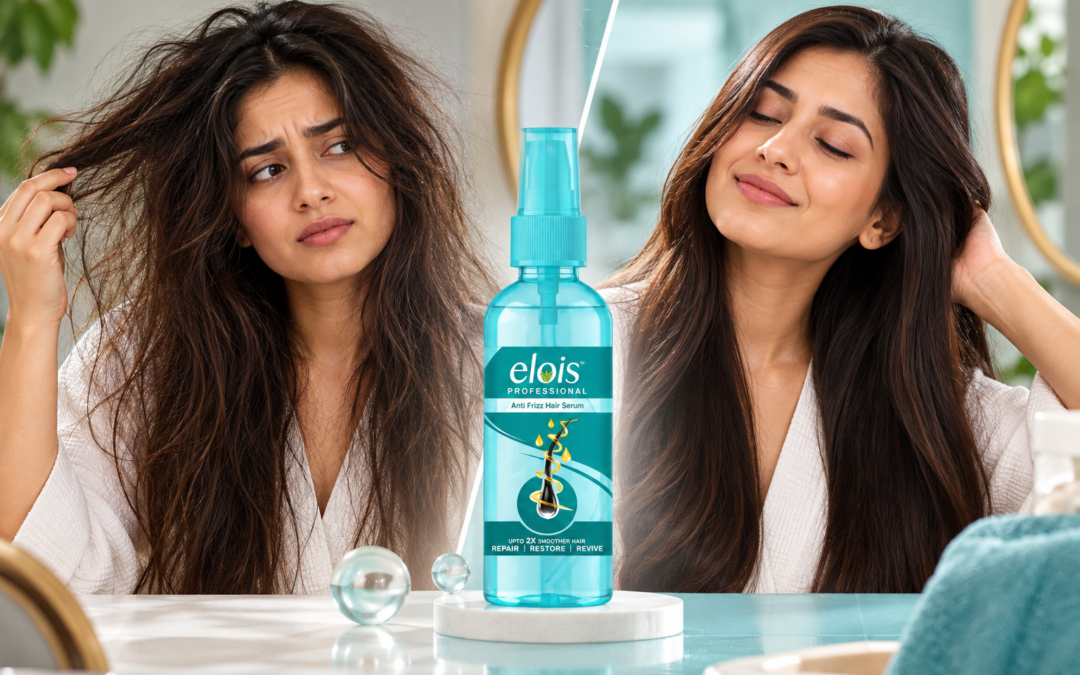
Depending on your hair type, Hair serum can help smooth the appearance of strands, add shine, and make visible frizz easier to manage. Some formulas work best on damp hair, while others are designed for dry hair, so follow the product instructions.
Start with a small amount. Fine hair may become weighed down by too much product, while other hair types may need a different formula.
One important distinction: serum can improve how your hair looks and feels, but it doesn’t repair every kind of damage. Conditioner, gentle handling, and sensible heat styling habits still matter.
Your hair may share your shower, but it certainly doesn’t share all your skin’s needs.
What Your Post-Shower Habits Reveal
Here’s where all these little mysteries come together.
If your skin feels tight immediately after bathing, your water temperature or cleanser may deserve a closer look.
If your legs become rough later, your moisturising routine might need adjusting.
If your face feels uncomfortable, the answer may be gentler cleansing rather than another active ingredient.
If hair removal leaves your skin irritated, check whether the product is suitable and whether you’re following its instructions.
And if your hair becomes difficult to manage as it dries, the way you handle it after washing could be part of the problem.
These clues aren’t diagnoses, but they can help you identify habits worth changing. If skin discomfort, itching, or irritation persists, consult a healthcare professional.
You don’t need a complicated post-shower ritual. You need to understand what your skin and hair are responding to.
The Real Question Isn’t What You Use in the Shower
We spend so much time choosing cleansers, comparing skincare products, and deciding which haircare formula deserves a place on the shelf.
But the moment after the water stops is easy to overlook.
That’s when water begins evaporating, your skin adjusts to the environment, and your hair starts revealing how it behaves outside the shower. What you do next can influence whether you feel comfortable for the rest of the day.
So the next time you step out, notice the small things. Does your skin feel tight before you’ve even got dressed? Does your face need extra moisture? Does your hair become harder to manage as it dries?
Your everyday routine may already be giving you the answers.
Because the shower washes away the day. What happens afterwards determines how comfortably you step back into it.