One day, hair removal feels like just another part of your beauty routine. The next, your skin seems unusually sensitive, and you find yourself wondering what went wrong. You haven’t changed your product or your technique, so why does the experience feel so different?
The answer may have less to do with your hair removal product and more to do with what your skin has been through lately.
From the shower you took that morning to the skincare products you used the night before, little details can influence how your skin responds. And once you understand what to look for, your usual routine may start making a lot more sense.
The Same Routine, but a Different Experience
Think about the last time you tried something that usually works perfectly well, only to find that it felt different for no obvious reason.
Hair removal can be similar. Your skin is not in exactly the same condition every day. Sometimes it is well hydrated and comfortable. Other times, it may be dry, irritated, or more sensitive than usual.
Your skin’s protective barrier helps retain moisture and defend against irritants. When this barrier is affected by harsh cleansing, dry weather, or irritating skincare treatments, your skin may become less comfortable.
That means a product you have used successfully before may feel different when your skin is already irritated.
Before changing your hair removal routine, pay attention to how your skin feels. If it is already uncomfortable, itchy, or inflamed, give it time to recover before removing hair.
Could Your Shower Be Making a Difference?
A long, hot shower can feel like the perfect start or end to a busy day. But while you enjoy the warmth, your skin may be losing some of its natural oils.
Very hot water and prolonged bathing can contribute to dryness, particularly if your skin is already prone to it. The cleanser you use can also influence how your skin feels afterwards.
Choosing a gentle Shower Gel suited to your skin may help you cleanse without leaving it excessively dry.
However, there is no universal rule that you should always shower before hair removal. Some products are designed for dry skin, while others specify use on wet skin. Check the instructions for your chosen method rather than assuming that one routine works for everything.
A comfortable, simple shower routine is often enough. There is no need to scrub your skin aggressively or add extra steps just because you are planning to remove hair.
When Your Favourite Product Doesn’t Feel the Same
You have used the same product for months. You know how it works, you are familiar with the application process, and you expect the same result every time.
Then, suddenly, your skin feels uncomfortable.
Before assuming that the product has stopped working for you, consider whether your skin’s condition has changed. Recent exfoliation, dryness, sun exposure, and existing irritation can all affect how comfortable hair removal feels.
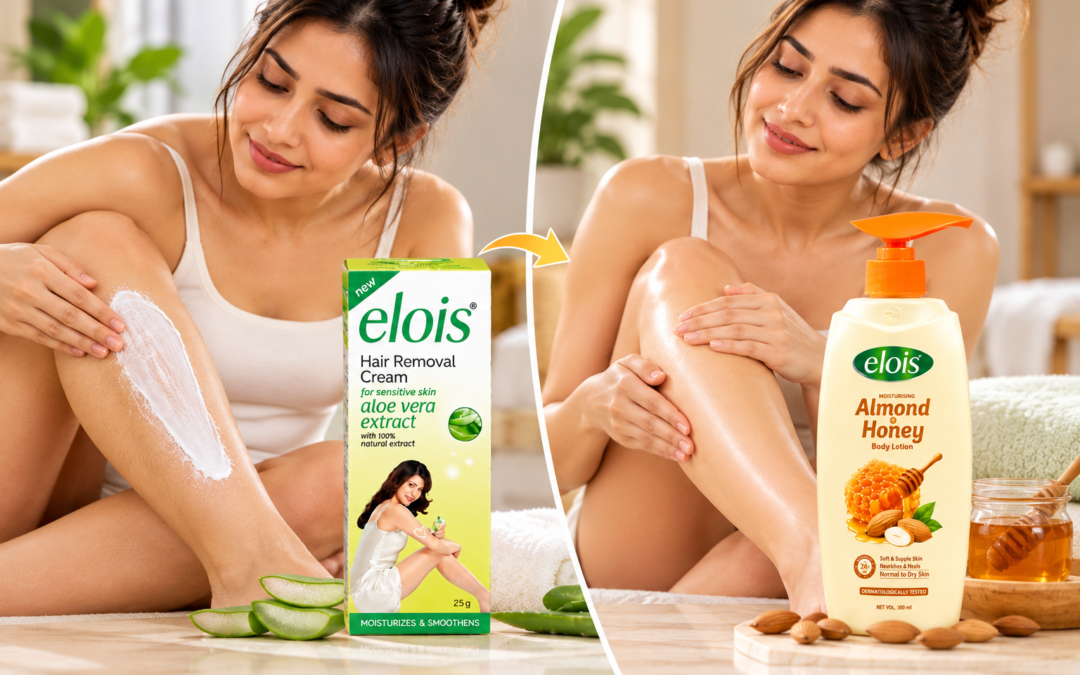
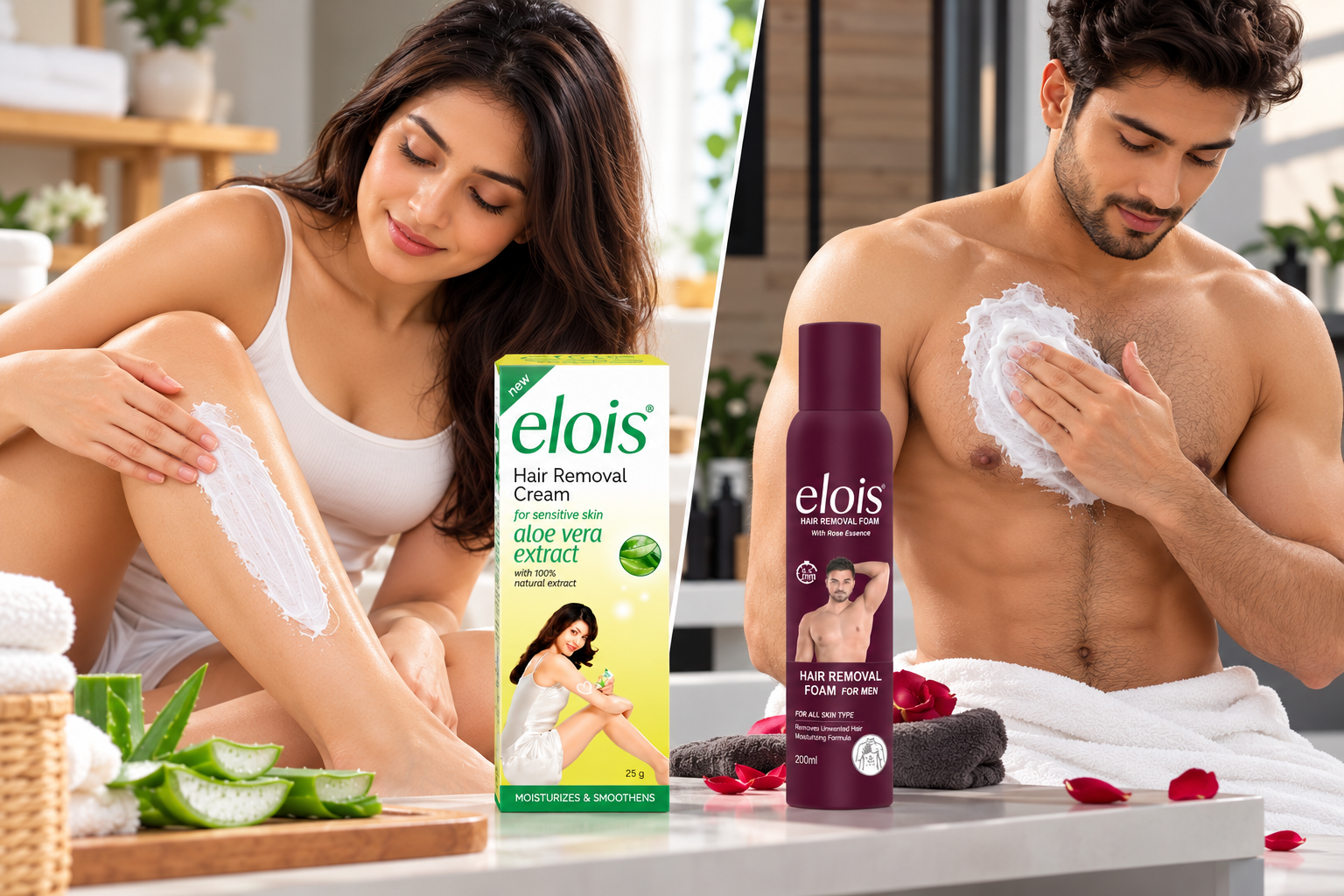
If you use a hair removal cream for women, follow the recommended application time carefully. These products work by breaking down the structure of unwanted hair, and leaving them on longer than directed can increase the risk of irritation or chemical burns.
The same caution applies to a hair removal spray. Different formats may have different instructions, so never assume that every product should be applied in the same way.
Always check that the product is suitable for your intended body area, perform the recommended patch test, and avoid applying it to broken, inflamed, or sunburnt skin.
If you experience burning or intense stinging, remove the product promptly as directed and rinse thoroughly. Do not continue using a product that causes repeated discomfort.
What You Did Yesterday Could Matter Today
Your skin may look perfectly normal in the morning, even if it has become more sensitive after a recent skincare treatment.
Perhaps you exfoliated your legs the previous evening. Maybe you tried a new product or spent several hours in the sun. These details can be easy to forget when you begin your usual hair removal routine.
Exfoliating acids, retinoids, and physical scrubs can contribute to irritation, particularly when used too frequently or in combination.
That is why timing matters. If your skin feels tender after exfoliation, wait until it has recovered before removing hair. Avoid combining multiple potentially irritating treatments simply because they are part of your usual routine.
You should also be selective about what you apply afterwards. A body moisturiser may help with dryness, but products that sting or irritate your skin can make discomfort worse.
Sometimes, a better routine is not about adding something new. It is about giving your skin enough time between treatments.
Why Does Hair Removal Feel Different in Different Seasons?
Your skin can respond differently as the weather changes.
Cold temperatures, low humidity, and indoor heating can contribute to moisture loss. During warmer weather, sweat and friction may create discomfort in areas where skin rubs together.
These changes do not mean you need a completely different collection of beauty products. They simply mean that your skin may need a little more attention at certain times.
If your skin becomes dry, regular moisturising between hair removal sessions can help maintain hydration. Choose a suitable body lotion for dry skin if dryness is a recurring concern.
Apply moisturiser according to its directions, and avoid putting lotion on immediately before hair removal unless your chosen product specifically permits it.
If your skin is irritated, postpone hair removal until it has recovered. A little patience is preferable to adding another source of irritation.
Could Your Monthly Cycle Play a Role?
Some people notice that their skin feels more sensitive at certain times of the month. Hormonal fluctuations around menstruation can influence skin physiology, although the effect varies from person to person.
If you suspect that your hair removal experience changes around your menstrual cycle, try keeping a simple record of your sessions and how your skin feels afterwards.
You may notice a pattern, or you may discover that other factors, such as dryness or recent exfoliation, are more relevant.
There is no universal day when hair removal is guaranteed to feel comfortable. Pay attention to the condition of your skin rather than following a rigid schedule.
If sensitivity is new, persistent, or unusually severe, consider seeking advice from a healthcare professional.
The Part of Hair Removal You Shouldn’t Rush
Once the unwanted hair is gone, it is tempting to move straight to the next part of your day. But the way you treat your skin afterwards can influence how comfortable it feels.
Depending on the method, your skin may temporarily feel dry or sensitive. Rubbing it with a towel, exfoliating immediately, or applying products that cause stinging can add unnecessary irritation.
Instead, follow the product’s rinsing instructions and pat your skin dry. When appropriate, apply a gentle, fragrance-free moisturiser to help maintain hydration.
Avoid harsh scrubbing and potentially irritating treatments while your skin settles. If you experience burning or significant irritation, do not try to cover up the reaction with additional skincare products.
Rinse the area thoroughly as directed, and seek medical advice if the reaction is severe or persistent.
The goal is not simply to achieve smooth skin. It is to keep your skin comfortable throughout the process.
How to Make Your Next Session More Comfortable
You do not need to rethink your entire beauty routine every time hair removal feels different. Start by checking a few things before your next session.
- Check your skin: If it is irritated, sunburnt, or unusually sensitive, postpone hair removal until it has recovered.
- Review your recent routine: Consider whether exfoliation or another treatment may have contributed to irritation.
- Follow the product instructions: Check the intended body area, preparation requirements, and recommended application time.
- Keep aftercare simple: Avoid unnecessary scrubbing and products that irritate the treated area.
- Pay attention to recurring reactions: If a product repeatedly causes discomfort, stop using it and consider an alternative.
These small adjustments can help you make more informed decisions without turning hair removal into a complicated process.
Frequently Asked Questions
Why does hair removal feel different on different days?
Your skin’s moisture levels, sensitivity, recent skincare treatments, and environmental conditions can influence the experience. The product and technique you use can also make a difference.
Is hair removal cream suitable for sensitive skin?
Suitability depends on the specific formulation and your skin. Check the product label, perform the recommended patch test, and follow the application time precisely. Avoid using it on irritated or damaged skin.
Should I shower before removing hair?
It depends on your chosen method. Some products are intended for dry skin, while others specify use on wet skin. Always follow the manufacturer’s instructions.
Can I moisturise immediately after hair removal?
Follow the product’s aftercare instructions. A gentle moisturiser may help with dryness when appropriate, but avoid applying additional products if your skin is burning or significantly irritated.
What should I do if my skin feels irritated after hair removal?
Stop using the product, remove any remaining product as directed, and rinse the area thoroughly. Avoid additional potentially irritating treatments. Seek medical attention if you experience severe pain, blistering, or a significant reaction.
Your Skin Doesn’t Have to Feel the Same Every Day
Hair removal can feel different because your skin’s condition changes, even when your routine stays the same. A hot shower, recent exfoliation, dry weather, or existing irritation may all contribute.
Instead of immediately replacing your favourite product, start by understanding what your skin needs. Choose products carefully, follow their instructions, and give your skin time to recover when necessary.
The best hair removal routine is not the one you follow without thinking. It is the one that works with your skin, rather than against it.