Menstrual hygiene is an important part of women’s health and daily personal care. Every woman experiences menstruation for many years of her life, so maintaining proper hygiene during this time is essential for comfort, health, and confidence.
Menstrual hygiene refers to maintaining cleanliness and proper care during periods. It includes using safe menstrual hygiene products, changing them regularly, washing the intimate area properly, and disposing of used products safely. Good hygiene during periods helps prevent infections and ensures overall well-being.
Moreover, awareness about menstrual health is increasing, and more women are learning how to manage their periods safely and comfortably.
Why Menstrual Hygiene Is Important
Proper menstrual hygiene protects the body from infections and discomfort. When hygiene is ignored during periods, bacteria can grow easily in warm and moist environments, which may lead to irritation or health problems.
Good menstrual hygiene is important because it:
- Helps prevent bacterial and fungal infections
- Reduces unpleasant odor
- Maintains reproductive health
- Improves daily comfort and confidence
- Supports overall personal hygiene
Therefore, using reliable feminine hygiene products and maintaining good habits can make menstruation safer and more comfortable.
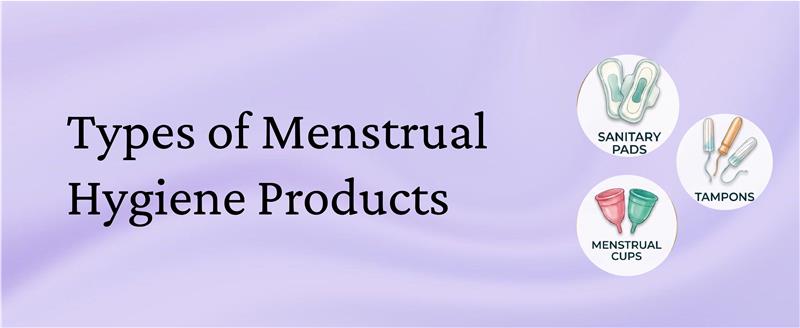
Common Menstrual Hygiene Products
Among these options, Sanitary Pads remain one of the most commonly used products because they are simple to use and widely available.
Essential Menstrual Hygiene Practices
Maintaining healthy hygiene habits during menstruation is important for both comfort and health.
1. Choose the Right Menstrual Product
Selecting the right menstrual product is the first step toward proper hygiene. Many women prefer sanitary napkins because they are easy to use and suitable for different flow levels.
When choosing period pads, consider:
- Soft and breathable material
- Good absorbency
- Proper size for day or night
- Skin-friendly design
Using comfortable women’s sanitary pads can reduce irritation and provide better protection.
2. Change Pads Regularly
One of the most important hygiene habits during menstruation is changing pads regularly.
Experts generally recommend changing pads every 4 to 6 hours, depending on menstrual flow.
Regular changing helps:
- Prevent bacterial growth
- Reduce odor
- Avoid skin irritation
- Maintain cleanliness
Therefore, frequent replacement of menstrual pads is essential for maintaining hygiene.
3. Maintain Intimate Hygiene
Keeping the intimate area clean during periods is very important.
It is recommended to gently wash the area with clean water and keep it dry. However, harsh soaps or scented products should be avoided because they may disturb the natural pH balance.
Simple hygiene steps include:
- Washing the intimate area with lukewarm water
- Drying the area properly
- Wearing clean and breathable underwear
These habits help maintain comfort throughout the menstrual cycle.
4. Dispose of Menstrual Products Safely
Proper disposal of menstrual products is an important part of menstrual hygiene.
Safe disposal practices include:
- Wrapping used pads properly
- Throwing them in a covered bin
- Avoiding flushing pads in toilets
Following these steps ensures cleanliness and hygiene in shared spaces.
5. Maintain Overall Personal Hygiene
During menstruation, maintaining overall body hygiene is equally important.
Daily bathing, wearing clean clothes, and maintaining proper Body Care Essentials help reduce the risk of irritation and infection.
Additionally, drinking enough water and eating healthy foods can support overall menstrual health.
6. Take Care of Skin During Periods
Hormonal changes during menstruation may affect the skin. Some women may experience oily skin or breakouts during this time.
Therefore, maintaining a simple Face Care routine can help keep the skin clean and balanced.
Using a gentle Face Wash can remove excess oil and keep the skin fresh during hormonal changes.
Signs of Poor Menstrual Hygiene
Common symptoms include:
- Itching or irritation in the intimate area
- Strong unpleasant odor
- Skin rashes
- Unusual discharge or discomfort
If these symptoms occur frequently, it is best to consult a healthcare professional.
Tips for Comfortable Period Care
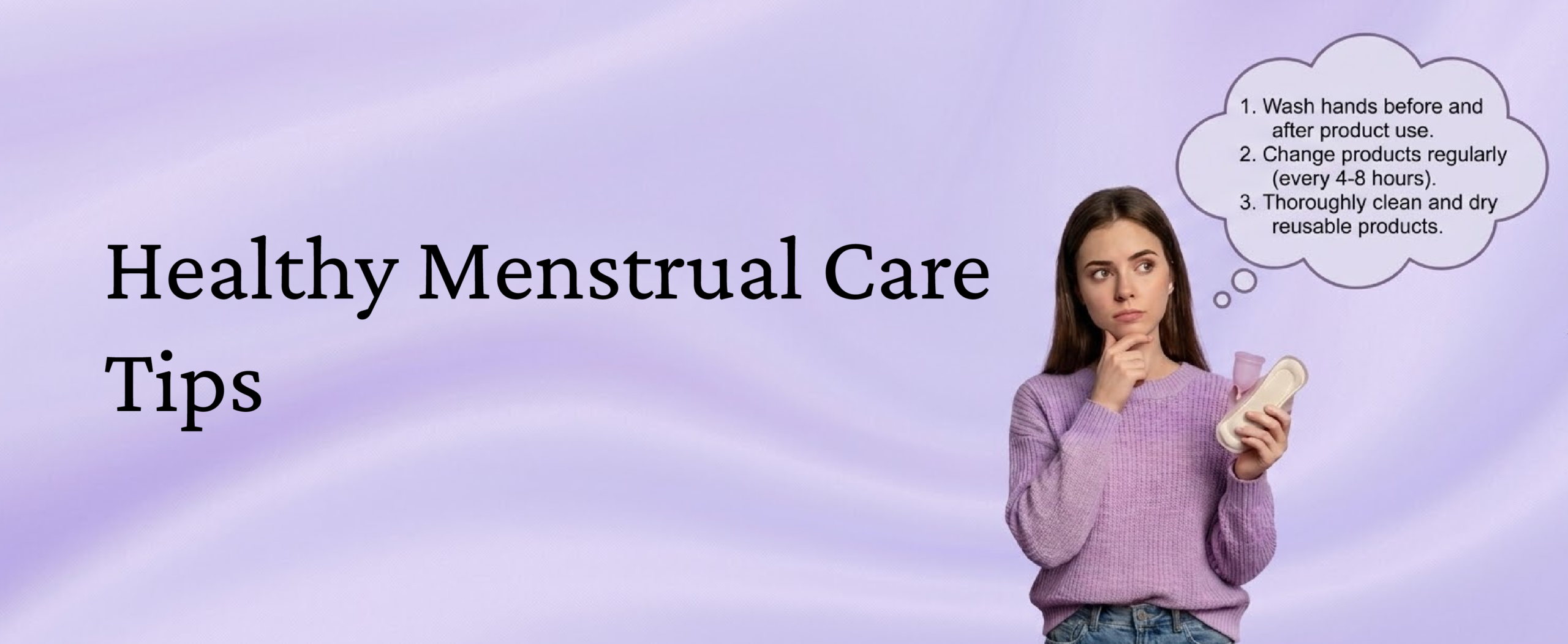
Helpful tips include:
- Wearing loose and breathable clothing
- Staying hydrated throughout the day
- Eating balanced and nutritious meals
- Getting enough rest
- Tracking the menstrual cycle regularly
Additionally, choosing reliable period care products can help women manage their periods with greater confidence.
Common Myths About Menstrual Hygiene
Myth: Women should not bathe during periods
In reality, bathing helps maintain hygiene and reduces discomfort.
Myth: Menstruation is unhygienic
Menstruation is a natural biological process experienced by women worldwide.
Myth: Pads can be worn all day
Pads should be changed regularly to prevent infection and maintain hygiene.
FAQs
How often should sanitary pads be changed?
Sanitary pads should generally be changed every 4 to 6 hours. However, during heavy flow days they may need to be changed more frequently.
What are the most commonly used menstrual hygiene products?
The most commonly used products include sanitary pads, tampons, menstrual cups, and period underwear.
Can poor menstrual hygiene cause infections?
Yes. Poor hygiene can increase the risk of bacterial or fungal infections. Regular cleaning and changing menstrual products helps prevent these issues.
Are sanitary pads safe to use?
Yes, sanitary pads are safe when used properly and changed regularly during the menstrual cycle.
How can women stay comfortable during periods?
Women can stay comfortable by using reliable menstrual products, maintaining proper hygiene, staying hydrated, and getting enough rest.
Final Thoughts
Menstrual hygiene is an essential part of women’s health and personal well-being. By following proper hygiene practices and using safe menstrual hygiene products, women can manage their periods comfortably and confidently.
Moreover, spreading awareness about menstrual hygiene helps break social stigma and encourages healthier habits for women everywhere.